November 21, 2024
2 min read
caching / database / performance
Learning by Doing: Implementing Redis Caching in a Real Project
I added Redis caching to an older project to optimize performance, reduce database load, and store the most popular posts for 24 hours. It’s a strategy used by many big companies, and here's what I learned!
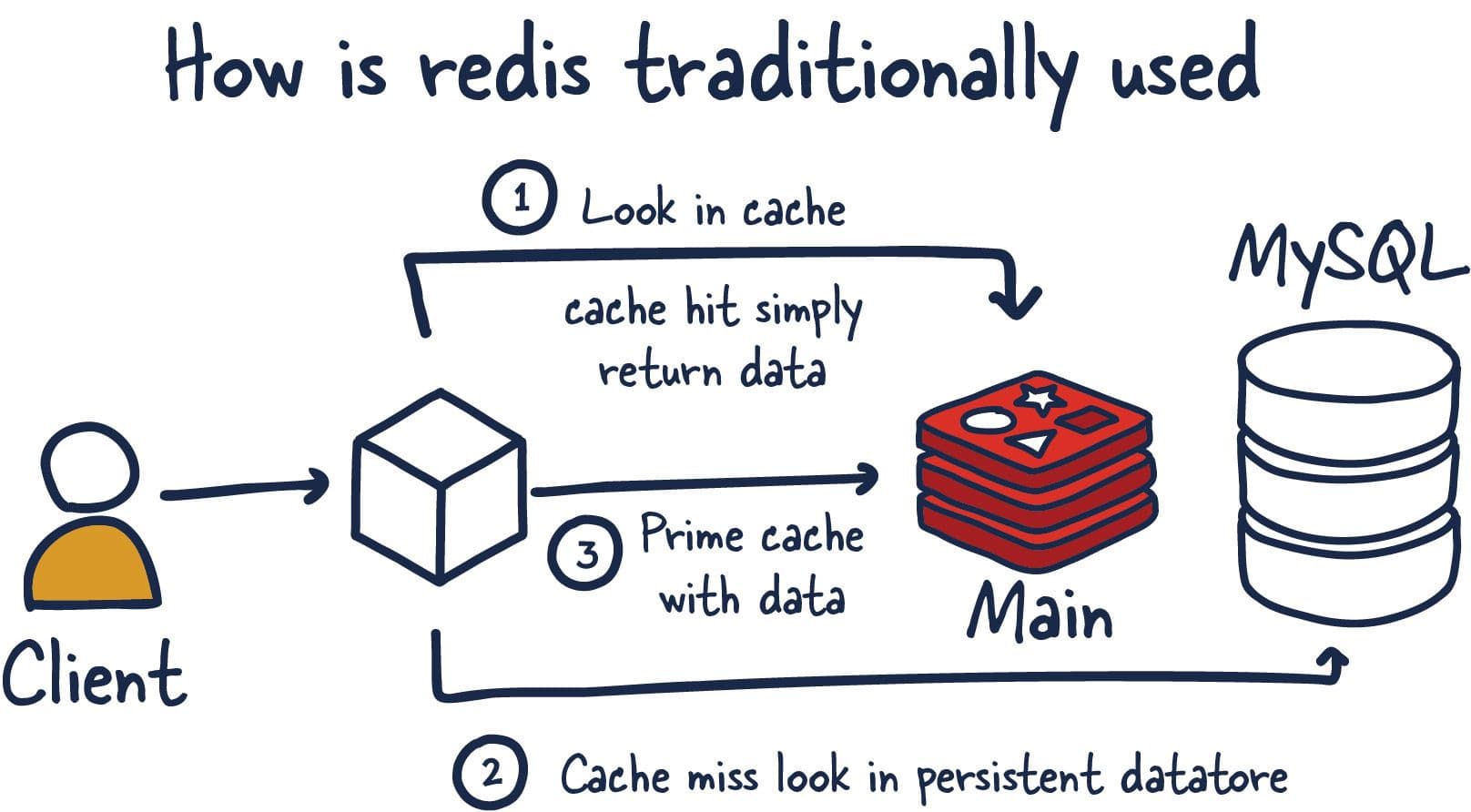
Learning by Doing: Implementing Caching with Redis in a Real Project 🚀
As developers, we often find ourselves wondering how we can improve the performance of our applications. Recently, I decided to revisit an older project and add Redis caching as an enhancement. My goal wasn’t just to optimize the app but also to learn how caching solutions are implemented in real-world scenarios, like those used by high-performing systems.
Why Redis?
Redis is a popular choice for caching because of its speed and flexibility. Unlike traditional databases, Redis stores data in-memory, making data retrieval blazingly fast. Its support for various data structures (Strings, Hashes, Sets, etc.) allows developers to adapt it to diverse use cases.
Caching is often employed to reduce database load and improve response times. Instead of querying the database repeatedly for frequently accessed information, we can store that data temporarily in Redis. This approach ensures quicker access to data and frees up resources for other operations.
The Use Case: Storing Popular Posts
For my project, the feature I focused on involved storing the most popular posts from a 24-hour period in Redis. Here’s the context:
- The application had a feature that displayed the top posts based on engagement metrics like likes and comments.
- Fetching these posts from the database repeatedly was becoming costly, especially as the app grew in size.
By caching these popular posts in Redis for 24 hours, I achieved:
- Improved Performance: Data retrieval became significantly faster.
- Reduced Database Load: The app queried Redis instead of hitting the database every time.
- Fresh Data Guarantee: By setting a 24-hour expiration, the cache automatically refreshed itself with new data daily.
How Companies Leverage Caching
This caching strategy isn’t unique to my project. Many large-scale systems use similar techniques:
- Netflix: Caches frequently watched content metadata.
- Amazon: Caches product information and recommendations.
- Social Media Platforms: Cache trending posts or user feeds.
These companies rely on caching to improve user experience, reduce latency, and handle high traffic efficiently. Redis, with its simplicity and speed, plays a pivotal role in making these strategies work.
— Matthew